
Why A Well-Planned Warehouse Loading Dock Matters For Miami Businesses
Quick Summary
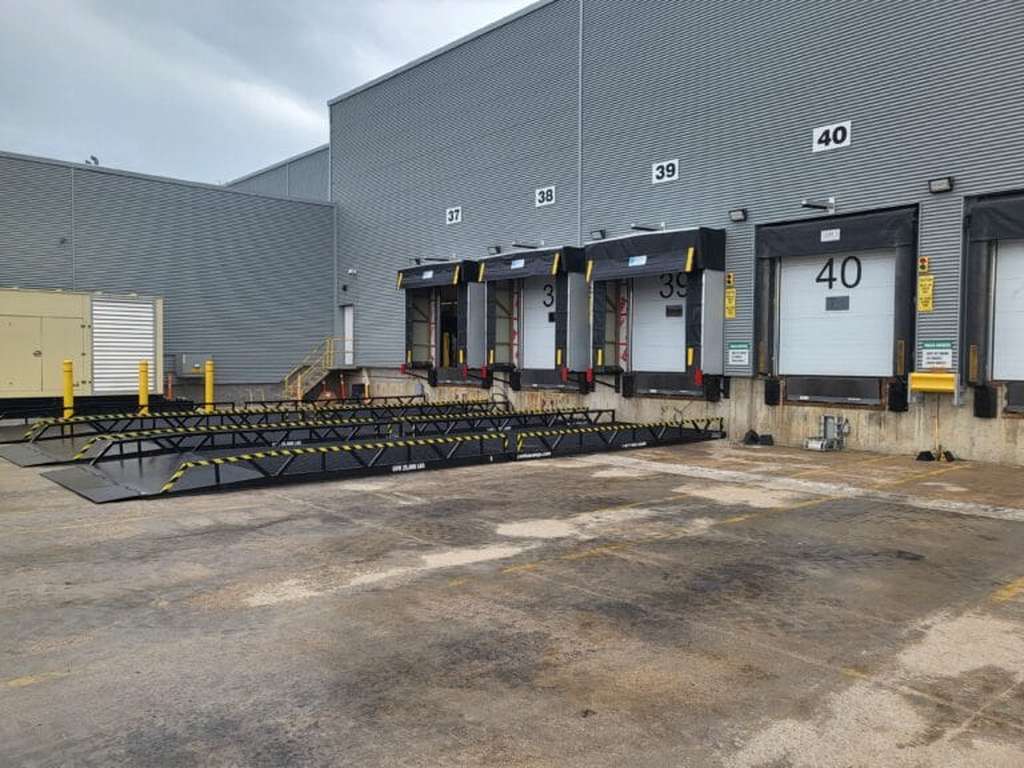
A well-planned warehouse loading dock supports efficient freight movement, organized storage, and safer material handling. Miami facilities must account for frequent deliveries, limited yard space, heavy rainfall, and changing shipping demands. Proper equipment selection, traffic management, drainage, and routine maintenance help reduce delays and operational disruptions. Portable ramps and custom platforms provide additional flexibility when existing infrastructure falls short. Nation Ramps offers engineered loading solutions with flexible purchase, rental, and lease options for commercial applications.
Warehouse productivity depends heavily on how efficiently goods enter and leave a facility. Poor dock positioning, limited maneuvering space, and unsuitable equipment can create delays throughout the distribution process.
Planning a warehouse loading dock in Miami requires careful attention to freight volume, vehicle access, equipment capacity, and local operating conditions. A suitable layout helps coordinate receiving, storage, and shipping activities without unnecessary material handling.
Miami’s active freight sector also presents challenges involving port traffic, seasonal shipments, and heavy rainfall.
At Nation Ramps, we provide industrial loading equipment backed by over 15 years of design experience. Our team helps businesses select practical solutions for demanding warehouse applications.
1. Improve Freight Movement And Daily Productivity
An organized loading area helps maintain a consistent flow of incoming materials and outgoing shipments.
Poorly arranged dock positions can force forklift operators to travel longer distances between trailers and storage zones. Congested staging areas may also delay inspections, inventory transfers, and scheduled departures.
Effective planning begins with evaluating vehicle arrival patterns, pallet movement, and available working space.
Receiving and shipping activities should follow defined routes whenever the facility layout allows.
Assigning separate staging locations for incoming and outgoing freight can reduce unnecessary handling.
Clear operating procedures also help coordinate truck arrivals with warehouse staffing and equipment availability.
These improvements support predictable turnaround times without requiring extensive structural modifications. Our guide to warehouse loading dock ramps covers equipment options in more detail.
2. Select Loading Equipment That Matches Warehouse Requirements
Different freight operations require different equipment configurations. A facility handling palletized consumer goods has different requirements from one moving heavy industrial machinery.
Ramp dimensions, working height, load capacity, and forklift specifications should guide equipment selection.
Nation Ramps offers Ground to Dock Ramps for facilities requiring access between ground-level surfaces and elevated loading positions.
Available configurations include models rated for 20,000 pounds, with other capacities available for demanding applications.
Selecting equipment requires evaluating the combined weight of the forklift, attachments, operator, and transported materials.
Load ratings vary by application. Contact our team for specs tailored to your use case.
Proper measurements help prevent equipment mismatches and support dependable material handling. For a broader comparison, see our list of 10 types of loading dock ramps and which one fits your facility.
3. Make Better Use Of Available Warehouse Space
Limited yard space can complicate loading operations, particularly near established commercial districts and busy transportation corridors.
Poor trailer positioning may restrict forklift movement or interfere with neighboring dock entrances.
A planned layout should provide adequate turning clearance, designated parking positions, and organized freight staging areas.
Facilities can improve space utilization by evaluating how frequently each loading position operates.
Temporary equipment may provide additional access without requiring permanent building expansion.
Nation Ramps supplies Portable Loading Docks for industrial operations needing adaptable loading arrangements.
These platforms can support changing layouts when site dimensions, surface conditions, and vehicle access permit.
Proper placement helps preserve usable warehouse space while accommodating essential transportation activities.
4. Prepare For Miami’s Climate And Weather Conditions
Miami’s tropical climate creates specific challenges for outdoor loading equipment.
Frequent rainfall, humidity, and exposure to coastal conditions can affect working surfaces and metal components.
Water accumulation near loading positions may reduce traction and interfere with forklift movement.
Warehouse planning should therefore include suitable drainage, stable equipment placement, and regular surface inspections.
Protective finishes and appropriate maintenance practices also help manage corrosion risks.
During severe weather, loading activities may require temporary restrictions based on facility procedures and actual site conditions.
Equipment inspections should identify damaged surfaces, loose connections, and drainage obstructions before operations resume.
These precautions help maintain reliable working conditions throughout changing weather patterns.
5. Strengthen Workplace Safety Through Proper Planning
Loading docks contain several potential hazards, including moving forklifts, reversing trucks, elevated surfaces, and unsecured freight.
Poor equipment placement increases the likelihood of traffic conflicts and handling errors.
A well-organized warehouse loading dock in Miami should establish clear pedestrian routes, designated forklift lanes, and appropriate vehicle restraint procedures.
Regular inspections help identify structural damage, surface deterioration, and unsuitable equipment positioning.
For American warehouse operations, OSHA 29 CFR 1910 establishes relevant general-industry safety requirements.
Specifically, OSHA 29 CFR 1910.26 addresses dockboard load capacity, secure positioning, vehicle movement, and related protective measures.
Facilities should consult a qualified safety professional to determine which requirements apply to their operations.
Consistent training and documented procedures remain essential for safe daily activities.
6. Adapt To Changing Freight Volumes
Warehouse shipping requirements can change because of seasonal demand, inventory expansion, or new distribution contracts.
Permanent infrastructure may become restrictive when freight patterns shift unexpectedly.
Additional loading equipment offers flexibility without immediately committing to major construction.
Portable systems can support temporary receiving areas, facility renovations, and increased trailer activity.
For longer-term requirements, purchasing may provide better value than repeated rentals.
Nation Ramps offers new, used, rental, lease, and custom equipment arrangements to accommodate different operational needs.
Our North American rental fleet includes more than 120 units across available configurations.
Contact Nation Ramps to check availability and pricing in your area.
7. Consider Custom Engineering For Difficult Layouts
Standard loading equipment cannot accommodate every warehouse configuration.
Unusual dock heights, restricted access points, and oversized machinery sometimes require specialized designs.
Nation Ramps provides Custom Loading Ramps engineered around specific facility requirements.
Custom configurations can address working dimensions, operating elevations, structural capacity, and equipment access.
Available capacity options range from 20,000 to 100,000 pounds, depending on the selected design.
Load ratings vary by application. Contact our team for specs tailored to your use case.
Engineering assessments should examine site measurements, operating frequency, vehicle characteristics, and anticipated future requirements.
A properly specified solution can accommodate difficult layouts while supporting consistent freight movement.
Plan Your Warehouse Loading Dock With Nation Ramps
An efficient warehouse loading dock in Miami starts with suitable equipment, organized traffic movement, and practical site planning.
Nation Ramps combines over 15 years of industry experience with manufacturing capabilities in the United States and Canada.
Our team provides standard and custom solutions with flexible purchasing, rental, and leasing arrangements.
Explore our Loading Ramp Solutions in Miami, Florida or contact Nation Ramps at 1-877-990-7267 to discuss equipment requirements and available options.
FAQs
What Factors Matter Most When Planning A Warehouse Loading Dock?
Important considerations include truck access, forklift dimensions, rated equipment capacity, available staging space, and drainage. Facilities should also evaluate shipping frequency, traffic patterns, and workplace safety requirements before selecting equipment.
Can Portable Loading Docks Support Temporary Warehouse Operations?
Yes. Portable systems can provide additional loading access during renovations, seasonal shipping increases, or temporary distribution projects. Equipment suitability depends on site conditions, working height, vehicle clearance, and expected loads.
How Can Miami Warehouses Improve Loading Dock Safety?
Regular equipment inspections, proper trailer restraints, designated traffic routes, and operator training support safer operations. Facilities should also manage standing water, inspect exposed steel components, and consult qualified safety professionals regarding applicable OSHA requirements.