
Key Features Of A Heavy Equipment Loading Dock For Houston Facilities
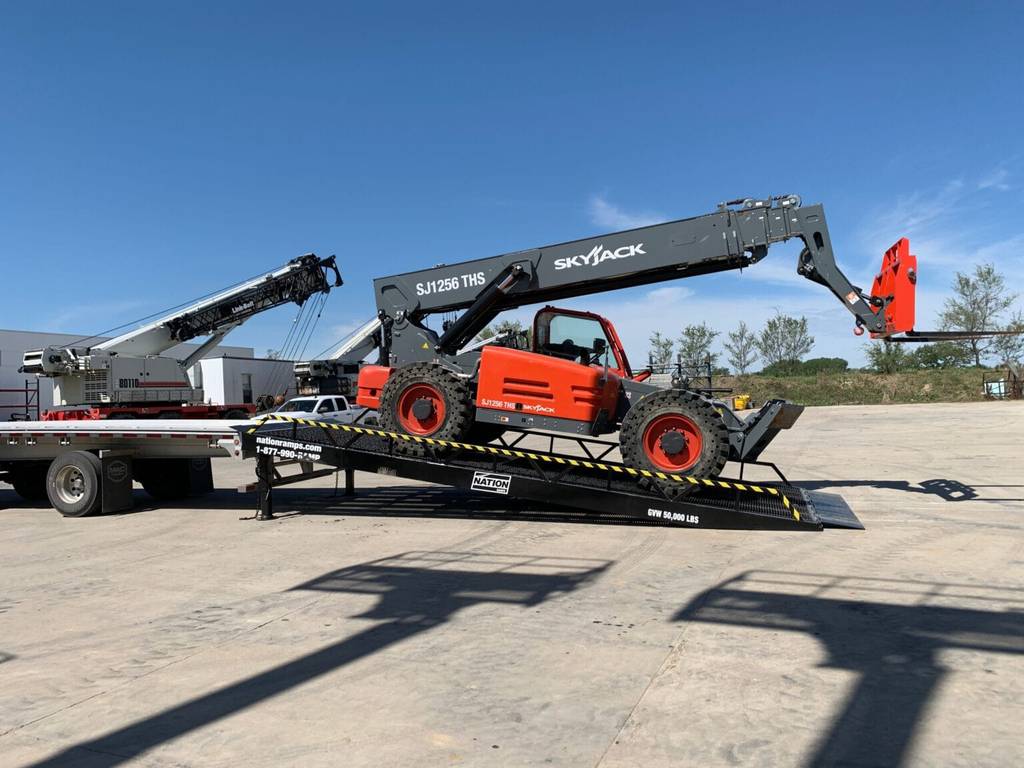
Quick Summary
Heavy equipment loading docks require strong construction, suitable load capacity, stable access, and dependable safety features. Houston facilities handling industrial machinery, construction materials, and oversized freight must evaluate ramp dimensions, adjustable heights, surface traction, and site conditions. Proper equipment selection helps reduce handling delays and supports consistent operations. Nation Ramps provides standard and custom engineered solutions with rental, purchase, and lease options. Experienced engineering support helps match equipment specifications with demanding industrial loading requirements across Houston facilities.
Heavy machinery transfers demand more than a standard loading platform. Industrial facilities need equipment capable of accommodating substantial weight, changing elevations, and frequent vehicle movements.
Selecting loading dock equipment in Houston requires careful evaluation of structural capacity, access dimensions, safety features, and environmental conditions. An unsuitable configuration can restrict machinery movement and interfere with transportation schedules.
Houston’s manufacturing, construction, and energy sectors regularly handle oversized components and heavy industrial materials.
At Nation Ramps, we provide engineered loading solutions backed by over 15 years of ramp design experience. Our equipment supports specialized applications through durable construction, adjustable configurations, and practical technical guidance.
1. Heavy-Duty Steel Construction
Structural strength remains a primary requirement for industrial loading applications.
Repeated forklift movements, concentrated wheel loads, and heavy machinery transfers place considerable demands on loading surfaces.
High-quality steel construction provides the structural foundation needed for demanding operating conditions.
Nation Ramps designs Equipment Loading Ramps with reinforced structures and industrial-grade decking.
Available configurations support tracked machinery, construction equipment, and specialized transportation applications.
A well-designed structure distributes anticipated loads through appropriately engineered supporting components.
However, durability also depends on correct installation, operating procedures, and routine inspections.
Facilities should examine structural specifications rather than relying on equipment appearance alone.
2. Suitable Weight Capacity For Industrial Machinery
Loading capacity determines whether equipment can support its intended operating loads.
Industrial applications frequently involve substantial machinery weight, attachments, and transported materials.
Nation Ramps offers equipment loading models with the following rated capacities:
- EQP30k: 30,000 pounds
- EQP50k: 50,000 pounds
- EQP70k: 70,000 pounds
These ratings represent manufacturer specifications, not universal operating limits for every loading arrangement.
Equipment selection must also consider wheel concentration, load distribution, and surface conditions.
Load ratings vary by application. Contact our team for specs tailored to your use case.
A complete assessment should include machinery specifications and expected operating frequency before selecting a model. Our list of key factors to consider when buying loading ramps covers other selection criteria.
3. Adjustable Heights For Different Loading Positions
Industrial transportation involves trailers, flatbeds, containers, and other vehicles with varying deck elevations.
Fixed-height equipment may not provide suitable access across these arrangements.
Adjustable configurations help accommodate different working levels while maintaining appropriate transition geometry.
Nation Ramps equipment loading models offer adjustable working heights from 37 to 54 inches.
Support adjustments allow facilities to establish suitable access within specified equipment limits.
Proper alignment remains essential because excessive approach angles can restrict machinery movement.
Measurements should include vehicle deck height, ramp length, ground clearance, and available operating space.
These details determine whether a configuration suits the intended loading position. Our guide to determining the right ramp dimensions for your business explains these measurements further.
4. Wide Decking And Appropriate Approach Angles
Large industrial machinery requires sufficient clearance throughout the loading process.
Narrow platforms may restrict tire positioning or prevent oversized equipment from passing safely.
Facilities comparing loading dock equipment in Houston should evaluate usable width alongside overall dimensions.
Nation Ramps equipment loading models offer configurations with usable widths reaching 115 inches.
These options accommodate different machinery dimensions when operating requirements match the specifications.
Approach angle also matters for equipment with long wheelbases or limited undercarriage clearance.
Gradual transitions can help reduce contact between machinery components and loading surfaces.
An engineering assessment should confirm width, clearance, and transition suitability before operation.
5. Traction Surfaces And Protective Features
Loading surfaces must provide appropriate traction for the equipment and conditions involved.
Houston’s frequent rainfall can introduce additional challenges for outdoor industrial operations.
Serrated steel decking helps provide traction, although wet conditions still require careful operating procedures.
Nation Ramps equipment loading configurations also include 12-inch safety rub rails.
These components help define the travel surface and provide protection against certain lateral movements.
Rub rails do not replace appropriate operating controls or prevent every potential incident.
Facilities should establish equipment-specific travel procedures, suitable speed restrictions, and routine inspection practices.
Surface debris and standing water should be addressed before loading begins.
6. Workplace Safety And Regulatory Considerations
Heavy loading operations introduce risks involving moving machinery, elevated surfaces, and transportation vehicles.
Equipment selection should account for applicable workplace requirements and site-specific hazards.
For Houston industrial facilities, OSHA 29 CFR 1910 covers relevant general-industry activities.
OSHA 29 CFR 1926 applies to covered construction operations.
Where dockboards are used, OSHA 29 CFR 1910.26 addresses load capacity, secure positioning, vehicle movement, and protective provisions.
Appropriate equipment features can help meet common OSHA requirements for applicable loading activities.
A qualified safety professional should review the proposed arrangement and determine relevant regulatory obligations.
Regular inspections and trained operators remain essential regardless of the selected configuration.
7. Flexible Equipment Options For Changing Demands
Industrial loading requirements can change as projects expand or transportation schedules evolve.
Permanent equipment ownership may not suit every facility, particularly when access requirements are temporary.
Nation Ramps offers Equipment Loading Ramp Rentals for projects requiring heavy machinery access.
Rental arrangements can support construction phases, facility modifications, and temporary transportation activities.
Purchasing may provide better long-term value when equipment supports continuous operations.
Leasing offers another arrangement for extended equipment requirements.
Nation Ramps maintains a North American rental fleet exceeding 120 units.
Contact Nation Ramps to check availability and pricing in your area.
8. Custom Engineering For Specialized Facilities
Standard industrial configurations cannot accommodate every loading arrangement.
Restricted yard space, unusual elevations, and oversized machinery may require specialized equipment.
Nation Ramps provides Custom Loading Ramps designed around application-specific requirements.
Engineering considerations include structural capacity, working dimensions, operating height, and equipment clearance.
Custom solutions can also address site restrictions that make standard layouts impractical.
Manufacturing capabilities in the United States and Canada support our North American operations.
Early technical consultation helps identify appropriate specifications before equipment procurement.
Find Heavy Equipment Loading Solutions With Nation Ramps
Choosing suitable loading dock equipment in Houston requires attention to capacity, structural design, working dimensions, and operational safety.
Nation Ramps combines more than 15 years of ramp engineering experience with standard and custom equipment options.
Our team can review facility requirements and discuss suitable rental, purchase, or lease arrangements.
Explore our Loading Ramp Solutions in Houston, Texas or contact Nation Ramps at 1-877-990-7267 to discuss specifications for your industrial application.
FAQs
What Weight Capacity Should A Heavy Equipment Loading Dock Have?
Required capacity depends on machinery weight, load distribution, attachments, and operating conditions. Nation Ramps offers equipment loading models rated at 30,000, 50,000, and 70,000 pounds.
Load ratings vary by application. Contact our team for specs tailored to your use case.
What Features Improve Safety During Heavy Machinery Loading?
Important features include suitable structural capacity, traction decking, protective rub rails, and secure equipment positioning. Facilities should also follow applicable OSHA requirements and consult a qualified safety professional.
Can Houston Facilities Rent Heavy Equipment Loading Ramps?
Yes. Nation Ramps offers rental, purchase, and lease arrangements for industrial loading applications. Equipment selection depends on project duration, site requirements, and available configurations.
Contact Nation Ramps to check availability and pricing in your area.