
Industry Standards For Forklift Ramp Design And Use
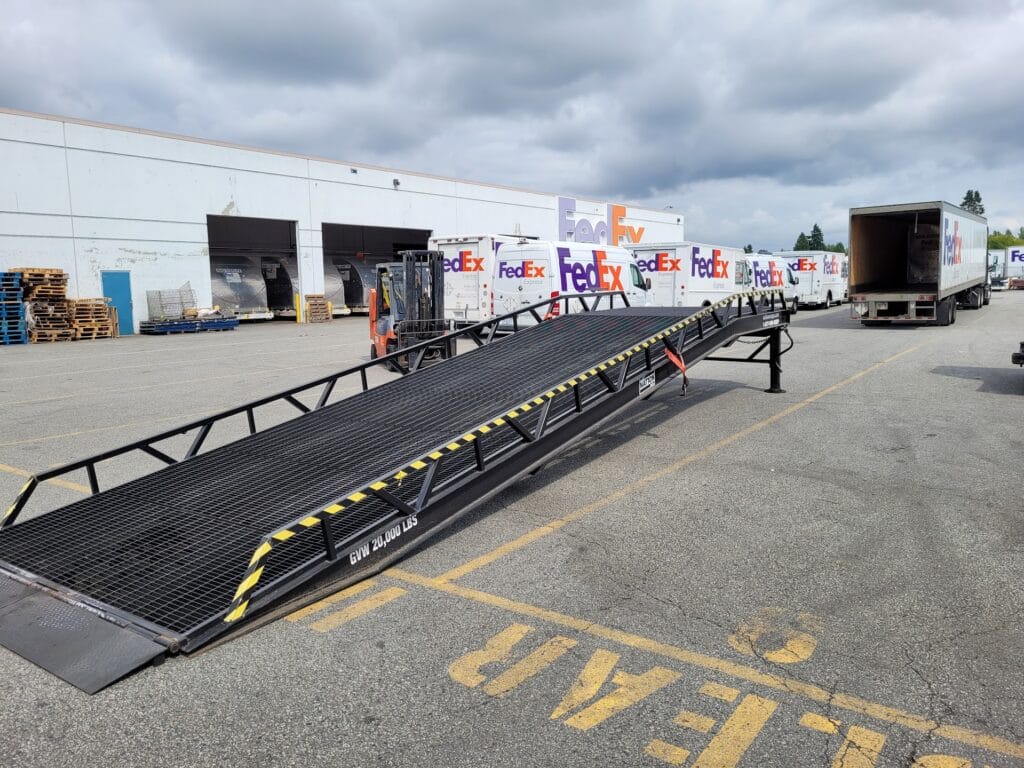
When selecting or using a ramp for forklift design, your focus should be on safety, reliability, and compliance with established industry standards. Forklifts operate in environments that demand precision and stability, so the ramp you choose must meet strict performance requirements. By understanding the principles behind design and safe use, you can make informed decisions that protect your team and maximize efficiency. Choosing the right ramp also helps reduce long-term costs by minimizing accidents, equipment strain, and unnecessary downtime.
Importance of Industry Standards
Industry standards exist to ensure that forklift ramps provide consistent safety and performance. Without these guidelines, ramps may be prone to failure, creating serious risks for both operators and cargo. By following standards set by organizations such as OSHA and ANSI, you safeguard your business against unnecessary hazards and potential liability.
Standards also help maintain uniform quality, which makes it easier for you to evaluate and compare ramp options. In addition, compliance with these standards demonstrates a commitment to workplace safety, boosts operator confidence, and ensures that your equipment consistently meets the demands of heavy-duty use across different environments.
Structural Integrity and Load Capacity
One of the most critical aspects of forklift ramp design is structural integrity. A properly engineered ramp must withstand the weight of the forklift and the load it carries without flexing or failing. Industry standards require that ramps be built using durable materials like heavy-duty steel and reinforced with proper welding techniques.
Load capacity ratings are also essential, and you must always choose a ramp with a capacity that exceeds your heaviest operational demands. Factoring in dynamic forces, such as the impact of forklifts braking or accelerating on the ramp, is equally important. This ensures that the ramp performs reliably under real-world conditions, prevents premature wear, and enhances overall safety for both operators and equipment.
Surface Design for Traction and Safety
Traction is another vital element of safe ramp use. Slippery surfaces can lead to accidents, especially in outdoor environments where rain, snow, or ice may be factors. Standards require ramps to include safety features such as serrated steel grating or anti-slip coatings. These features provide consistent traction, reducing the risk of forklifts sliding during loading and unloading.
Guard rails and curbs are often included in the design to provide additional protection for operators and equipment. In addition, proper drainage systems and regular surface maintenance are recommended to keep ramps clear of debris, moisture, and buildup that could compromise traction. By combining thoughtful design with ongoing upkeep, you ensure a safer, more reliable ramp environment for daily operations.
Proper Slope and Accessibility
The slope of a ramp plays a significant role in forklift safety. A ramp that is too steep can strain equipment and increase the likelihood of accidents. Standards typically recommend slopes that balance ease of movement with operator control, ensuring forklifts can ascend and descend smoothly. Adjustable-height ramps are particularly valuable, as they allow you to accommodate different vehicle bed heights without compromising safety.
Accessibility considerations also include clear width requirements, ensuring forklifts of varying sizes can navigate the ramp safely. Proper slope also reduces wear on forklift brakes and transmissions, helping extend equipment life. In addition, a gradual incline improves operator comfort, allowing for smoother transitions when handling loads, which in turn supports better productivity and reduces operator fatigue.
Compliance and Inspection Requirements
Owning or operating a forklift ramp means you are responsible for keeping it compliant with safety regulations. Routine inspections are part of these requirements and help identify wear, corrosion, or damage that could compromise structural integrity. Many standards require ramps to undergo regular maintenance checks, and some jurisdictions may mandate official inspections. By maintaining compliance, you protect your workforce and extend the life of your ramp.
Keeping detailed records of inspections and maintenance activities also demonstrates accountability, provides documentation in case of audits, and helps track recurring issues. Proactive monitoring not only ensures safety but also minimizes costly downtime by addressing potential problems before they escalate.
Training and Safe Operation
Even the best-designed ramp can pose risks if not used correctly. Training operators on proper techniques is crucial to maintaining workplace safety. Industry standards emphasize that operators should approach ramps slowly, maintain balanced loads, and use ramps only within their intended capacity. Clear signage and guidelines around ramp use further reinforce safe practices.
By combining strong design with proper training, you create an environment where efficiency and safety work hand in hand. At Nation Ramps, we provide high-quality, customizable forklift ramps and loading docks that meet or exceed all North American safety standards. Our new, used, and rental solutions are designed to improve your operations with durability, flexibility, and cost-effective value.
Frequently Asked Questions
What are the industry standards for forklift ramp design?
Forklift ramp design is governed by a combination of safety engineering principles and widely recognized industry standards. We design ramps to ensure structural integrity, stability, and safe load transfer under dynamic conditions. Key considerations include load capacity ratings, appropriate slope gradients, and sufficient width to accommodate forklift dimensions and maneuverability. Industry best practices also emphasize high-strength steel construction, reinforced support structures, and safety curbs or guardrails to prevent accidental roll-off. In addition, surface traction and proper transition plates are critical to minimize slippage during loading and unloading. Our approach aligns with established material handling guidelines and regulatory expectations, ensuring that your ramp supports efficient operations while prioritizing operator safety and equipment longevity.
What OSHA regulations apply to forklift ramps and inclines?
Forklift ramp usage is primarily governed by Occupational Safety and Health Administration standards, particularly those related to powered industrial trucks and walking-working surfaces. These regulations require that ramps be structurally sound, properly maintained, and capable of safely supporting intended loads. We ensure our ramp designs account for OSHA guidance on slope safety, secure positioning, and the use of wheel chocks or dock restraints where needed. OSHA also emphasizes operator training, clear visibility, and safe travel speeds when navigating inclines. Additionally, surfaces must provide adequate traction to prevent slips, especially in wet or high-traffic environments. By aligning with these requirements, we help you maintain compliance while creating a safer, more predictable working environment for your team and equipment.
What is the maximum safe slope for a forklift ramp?
The maximum safe slope for a forklift ramp typically depends on the type of forklift, load weight, and operating conditions, but industry best practice generally recommends a gradient no steeper than 15% (approximately a 1:6.7 ratio). We advise keeping slopes as gradual as possible to maintain stability, traction, and control during operation. Steeper inclines can increase the risk of tipping, load shifting, or loss of braking efficiency, particularly when handling heavy or uneven loads. Our team evaluates your specific application—such as forklift type, load characteristics, and site layout—to recommend an optimal slope that balances space constraints with safety. A properly designed incline ensures smoother transitions, reduces operator strain, and supports consistent, safe material handling performance.
How do I calculate the proper ramp angle for forklift use?
Calculating the correct ramp angle involves understanding the relationship between rise (height) and run (length). The slope is determined by dividing the vertical height by the horizontal distance, then converting it into a percentage or ratio. We typically guide you toward a slope of 10–15% for safe forklift operation, depending on your equipment and load conditions. To determine the appropriate ramp length, you divide the height difference by the desired slope percentage. For example, a higher dock requires a longer ramp to maintain a safe incline. Nation Ramps works closely with you to assess site measurements, forklift specifications, and operational demands, ensuring the final ramp design delivers both safety and efficiency without compromising available space.
What load capacity should a forklift ramp be rated for?
The load capacity of a forklift ramp should always exceed the combined weight of your forklift and its maximum intended load. We recommend factoring in not just static weight, but also dynamic forces created during movement, braking, and turning. This means selecting a ramp with a safety margin above your heaviest operational requirement. Our ramps are engineered with high-capacity ratings, often accommodating substantial loads while maintaining structural integrity under repeated use. It’s also important to consider future scalability; if your operations grow or equipment changes, your ramp should still meet those demands. By carefully evaluating your current and projected needs, we help ensure your ramp provides reliable, long-term performance without compromising safety or efficiency.
What surface traction features should forklift ramps include?
Surface traction is critical to maintaining control and preventing slips, especially in high-traffic or variable weather conditions. We incorporate aggressive, high-traction surfaces such as serrated grating or textured steel that enhance tire grip even when the ramp is wet, dusty, or exposed to oils. These materials help reduce the risk of wheel spin and improve braking performance on inclines. Edge curbs are also important, as they provide a physical barrier that helps keep forklifts aligned during operation. In some cases, additional features like anti-slip coatings or expanded metal decking may be used, depending on your environment. Our goal is to ensure consistent traction so your operators can move confidently and safely, regardless of conditions.
How do I choose the right forklift ramp (buy, rent, or lease)?
Choosing between buying, renting, or leasing depends on your operational needs, budget, and project timeline. We typically recommend purchasing if you have long-term, consistent usage and want full ownership. Renting is ideal for short-term projects, seasonal demand, or temporary site setups where flexibility is key. Leasing offers a middle ground, allowing you to spread costs over time while still accessing high-quality equipment. Nation Ramps works with you to evaluate usage frequency, capital constraints, and future scalability to determine the most practical option. By aligning the acquisition model with your operational strategy, we help you maintain efficiency without overcommitting resources or limiting your flexibility as needs evolve.
What best practices should forklift operators follow on ramps?
Safe forklift operation on ramps requires consistent adherence to proven best practices. We advise operators to always travel slowly and maintain full control, avoiding sudden acceleration, braking, or turning while on an incline. Loads should be kept low and tilted back to improve stability, and operators should drive straight up or down the ramp rather than at an angle. It’s also important to ensure the load is secure and does not obstruct visibility. When descending, keeping the forklift in reverse can improve control, depending on the load. Regular training and awareness are essential, as ramp conditions can change. By following these practices, you help reduce risk and maintain a safer working environment.
How often should forklift ramps be inspected and maintained?
Forklift ramps should be inspected regularly to ensure they remain safe and fully operational under daily use. We recommend conducting a visual inspection before each use, checking for signs of structural damage, excessive wear, loose components, or surface contamination that could affect traction. In addition, a more thorough inspection should be performed on a scheduled basis—typically monthly or quarterly—depending on usage intensity and environmental conditions. Nation Ramps also advises documenting inspections and addressing any issues immediately to prevent escalation. Routine maintenance, such as cleaning debris, tightening connections, and repairing worn surfaces, helps extend the ramp’s lifespan. A proactive inspection program not only protects your equipment and operators but also supports compliance with safety standards and operational reliability.
Can all forklifts safely use the same ramp design?
Not all forklifts can safely use the same ramp design, as different models have varying weights, wheelbases, ground clearances, and load capacities. We take these variables into account when recommending a ramp solution tailored to your specific equipment and application. For example, heavier forklifts or those handling high-capacity loads may require reinforced ramps with greater load ratings, while electric forklifts may have different traction and braking considerations. Surface type, slope, and ramp width must also align with your forklift’s operational characteristics. Using a mismatched ramp can increase the risk of instability or equipment strain. By carefully evaluating your fleet and usage conditions, we help ensure compatibility, safety, and optimal performance across your operations.