
Choosing The Right Box Truck Ramp For Your Business
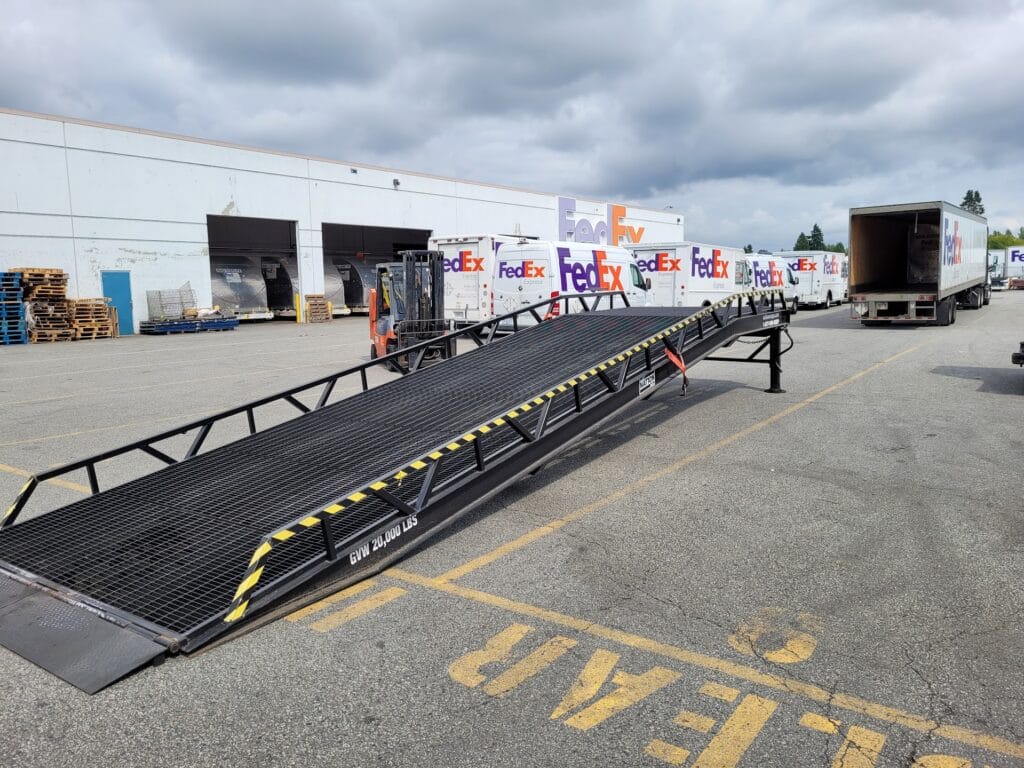
Quick Summary
Choosing the right box truck ramp starts with matching the ramp type to your truck height, cargo weight, loading space, and daily workflow. Portable docks, equipment ramps, ground to dock ramps, mobile docks, platforms, heavy duty truck ramps, custom ramps, and modular cross dock systems each support different loading needs. A better fit can help your team improve safety, reduce delays, and move freight with more control across busy loading areas.
Picture your team preparing to load a box truck during a busy workday. The cargo is ready, the schedule is tight, and every movement needs to be safe, steady, and efficient. This is where the right box truck ramp makes a real difference. Your ramp should match the way you load, the weight you move, the height of your truck, and the space around your site. A better fit can help your team reduce delays, improve movement, and handle daily loading with more confidence. Let’s look at the ramp types that can support different business needs.
Portable Loading Docks
Portable loading docks are useful when your business needs a flexible loading point without building a fixed dock into the property. This type can support box trucks that move between warehouses, storage yards, distribution sites, and temporary job locations. A portable dock creates a raised loading area that helps crews move freight with better control, especially when ground level access slows the process. It can also help businesses manage changing delivery volumes, short term projects, or seasonal demand. For teams that need dock style access in more than one location, this ramp type offers practical support while keeping daily loading operations more adaptable.
Equipment Loading Ramps
Moving machinery, vehicles, tools, or jobsite materials from ground level into a truck often requires more strength than a basic loading setup can offer. Equipment loading ramps are built for businesses that handle heavier rolling loads, frequent transfers, and cargo that needs stable support during movement. This type can be useful for construction crews, landscaping companies, maintenance teams, and industrial operations that depend on box trucks for transport. Ramp capacity, deck surface, width, and approach angle all matter because heavy equipment can place extra stress on the structure.
Ground to Dock Ramps
Facilities that move freight between ground level and dock height need a ramp that keeps traffic steady and controlled. Ground to dock ramps help connect these two points so pallet jacks, forklifts, carts, and rolling loads can move with less disruption. This type works well for warehouses, storage buildings, distribution areas, and businesses that receive shipments from different truck styles. The right setup should match dock height, truck access, load weight, and available approach space. Surface traction and side curbs are also important because workers may use this ramp during busy loading windows.
Mobile Loading Docks
Changing truck positions, outdoor loading zones, and shifting facility layouts can make fixed access less practical for daily work. Mobile loading docks give your team a movable loading point that can be placed where the job requires it. This type is useful for warehouses, freight yards, temporary sites, and operations that handle different truck routes throughout the week. It can support faster setup when loading areas change, especially when your crew needs dock style access without permanent construction. Width, height range, weight capacity, and turning space should all match your site conditions. With the right setup, your loading area can stay productive even when the workflow changes.
Stand Alone Platforms
Some loading operations need more than a direct path from the truck to the ground. Stand alone platforms create a stable raised area where teams can stage freight, organize materials, and manage transfers before items move into or out of a box truck. This type can be helpful when your site needs extra working space beside the loading point. It also supports smoother movement when multiple carts, pallets, or workers are involved in the same process. Height, platform size, guard protection, and traffic direction should match the way your team handles cargo.
Heavy Duty Truck Ramps
Daily freight work can place serious pressure on a loading setup, especially when box trucks carry heavier cargo or repeat the same route many times. Heavy duty truck ramps are designed for stronger performance in demanding commercial and industrial environments. This type can support businesses that move pallets, rolling equipment, bulk materials, or dense freight with steady traffic throughout the day. Capacity should be reviewed carefully because the ramp must handle the load, the handling equipment, and repeated movement. Deck traction, side protection, and a stable connection also affect loading control.
Custom Loading Ramps
Unusual truck heights, tight yards, limited approach space, and special cargo can make standard ramp choices harder to match. Custom loading ramps are built around the real conditions of your operation, which can include load capacity, ramp length, deck width, surface style, and connection points. This type is useful when your team handles unique equipment, mixed freight, or facility layouts that require a more specific fit. A tailored design can also support safer movement when the loading path has space limits or frequent traffic. For businesses with specialized workflows, a custom ramp can turn a difficult loading challenge into a more practical daily loading process with confidence.
Modular Cross Dock
High volume freight movement often needs a structured transfer point, especially when box trucks move between inbound lanes, staging areas, and outbound routes. Modular cross dock systems help create that setup by giving teams a more organized way to move cargo through the loading area. This type can support warehouses, distribution centers, logistics teams, and businesses that handle frequent truck movement. It works well when speed, traffic direction, and staging space all affect daily output.
Build a Smarter Loading Setup for Your Business
A strong loading setup should match how your team works each day. The right ramp choice can improve movement, reduce handling stress, and support safer transfers between your truck, cargo, and loading area. Better planning also helps your business avoid a ramp that is too steep, too narrow, or too light for the job. That makes ramp selection a practical investment in productivity, safety, and long term operational control.
At Nation Ramps, we help businesses across North America find loading solutions that fit real site conditions and daily demands. Our options include new, used, rental, and custom ramp solutions, along with support for portable loading docks, heavy duty truck ramps, and other commercial loading needs. We focus on durable construction, fast turnaround, and helpful guidance, so your team can move forward with confidence.
Contact us today to discuss your loading needs and find the right ramp solution for your business.
FAQs
What type of box truck ramp is best for daily business loading?
The best option depends on your cargo weight, truck height, loading space, and how often your team moves freight. Heavy duty truck ramps can work well for frequent loading, while portable loading docks or mobile loading docks may fit businesses that need more flexible access across different locations or work areas.
How do I know what ramp capacity my business needs?
Start by looking at the heaviest total load your ramp must handle. That can include freight, carts, pallet jacks, equipment, and repeated movement throughout the day. A ramp should match the real working conditions of your operation, especially when your team handles dense freight, machinery, or heavy rolling loads.
Should I choose a standard or custom loading ramp?
A standard ramp may work when your truck height, cargo type, and loading area are consistent. A custom loading ramp may be a better fit when you have tight space, unusual truck heights, special cargo, or a workflow that needs a more specific design for safer and smoother loading.