
Common Types Of Ramps For Commercial Spaces
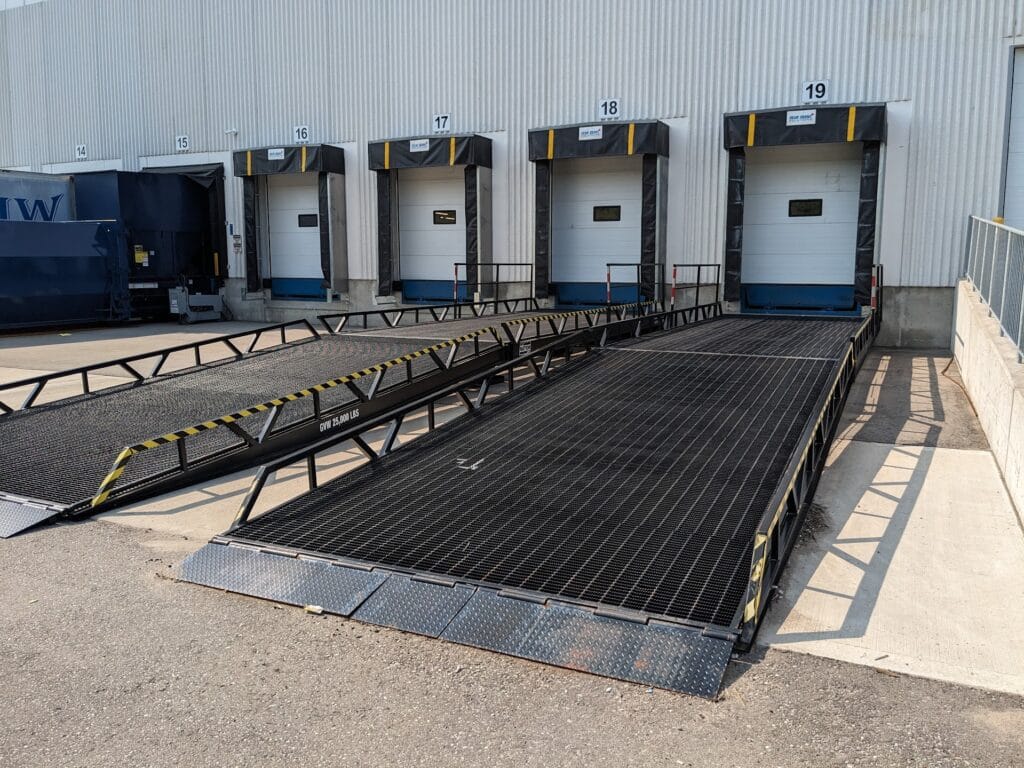
Efficient loading and transportation rely on selecting the right types of ramps for commercial environments. Businesses need solutions that support daily operations while maintaining safety and durability.
Different industries require specialized ramps specific to their precise needs, whether for heavy equipment, vehicles, or pedestrian access. The right ramp can significantly improve workflow and loading efficiency, making it an indispensable part of many commercial and industrial settings.
Types Of Ramps
Ground to Dock Ramps
Many warehouses and distribution centers use ground to dock ramps for smooth loading and unloading between ground level and dock height. These ramps are designed for forklifts and pallet jacks, facilitating the movement of goods. Steel and aluminum construction add durability for high-traffic areas.
The design differs based on weight capacities, surface traction, and length, all contributing to operational efficiency in commercial spaces. The incline is engineered to accommodate different vehicle heights, providing for steady and reliable loading operations.
Businesses that handle frequent shipping and receiving benefit from these ramps, because they reduce turnaround times and simplify the loading process.
Equipment Loading Ramps
Manufacturing facilities, construction sites, and logistics companies often rely on equipment loading ramps to accommodate the transport of heavy machinery. These ramps are constructed from high-strength materials to support substantial loads and prevent slippage.
Steel grating surfaces and reinforced frames help distribute weight evenly, reducing strain on equipment during loading. Proper incline angles and width specifications optimize usability, allowing machinery to be positioned safely without difficulty.
Industries that handle large equipment, such as agricultural or industrial sectors, depend on these ramps to assist with quick and safe transitions between transport vehicles and work sites.
Portable Loading Ramps
Versatility makes portable loading ramps an attractive choice for businesses needing flexibility in their loading operations. These ramps cater to any number of industries, including agriculture, retail, and event management.
Lightweight aluminum construction allows for easier repositioning while still maintaining the strength needed to support various loads. Some models come with adjustable height settings, offering convenience in adapting to different loading scenarios.
They are particularly useful for businesses that frequently move operations between different locations, as they can be transported with minimal effort. When used temporarily or as a long-term loading solution, these ramps offer businesses the mobility they need.
Modular Ramp Systems
Nation Ramps’ modular ramp systems are designed for industrial, commercial, and construction spaces that require scalable and customizable loading solutions. These systems are ideal for high-volume operations, such as distribution centers, manufacturing plants, and construction sites.
The modular nature of these ramps allows businesses to configure systems that meet specific space requirements, whether permanent or temporary. Constructed from durable aluminum or steel, these systems can be adapted to varying traffic volumes and weather conditions.
Features such as non-slip surfaces, railings, and safety components ensure compliance with accessibility regulations while enhancing safety and operational efficiency.
Yard Ramps
Distribution centers and freight terminals frequently incorporate yard ramps for cargo movement. These ramps allow trucks to be loaded and unloaded without permanent dock structures. Steel frames with high weight capacities can support forklifts and other heavy-duty equipment.
Some models feature hydraulic height adjustments, improving adaptability for different vehicle sizes. The ability to relocate these ramps as needed makes them valuable assets in logistics and supply chain management.
Businesses handling high freight volumes often depend on yard ramps to maintain a consistent flow of goods while minimizing disruptions in operations.
Vehicle Ramps
Automotive dealerships, repair shops, and fleet management companies frequently rely on vehicle ramps for loading and maintenance operations. Constructed from high-strength steel or aluminum, these ramps are built to handle the weight of cars, trucks, and other vehicles while ensuring stability.
Vehicle ramps make it easy to load and unload vehicles onto trailers or elevated service platforms, providing businesses with reliable, efficient solutions for their transportation needs.
Custom Ramp Solutions
Some industries require ramp designs specific to unique operational needs. Custom ramps cater to specialized applications, including oversized equipment transport, aviation ground support, and high-capacity freight handling.
Businesses can work with Nation Ramps to select materials, weight ratings, and safety features tailored to their exact specifications.
Custom ramps optimize workflow efficiency while ensuring compliance with industry standards. Companies dealing with specialized loading situations benefit from these personalized solutions, as they address precise business requirements.
Reliable Ramp Solutions from Nation Ramps
Nation Ramps delivers top-quality ramp solutions that fit the commercial needs across endless industries. Our types of ramps include equipment loading ramps, portable loading ramps, and ground to dock ramps, each designed with precision and durability in mind.
If your business requires a permanent installation or a temporary rental, we offer solutions to meet your needs.
With more than 15 years of industry expertise, we design ramps that support heavy loads while maintaining the highest standards of safety and reliability. Proudly manufactured in both the USA and Canada, every product meets North American safety standards.
From custom ramp designs to immediate rental availability, we supply businesses with access to superior ramp solutions.
If you need assistance selecting the right ramp or want a free quote, contact Nation Ramps today.
Frequently Asked Questions
What are the most common types of ramps for commercial spaces?
Commercial spaces typically utilize a few primary designs to handle diverse shipping needs across various industries. Ground-to-dock ramps are very popular for facilities without existing bays, while yard ramps allow forklifts to access trailers from any flat surface in a parking lot. You might also encounter portable loading docks, which create a temporary staging area for multiple trucks at once. Nations Ramps offers these various configurations to ensure that your business can manage inventory flow regardless of your architectural limitations. Forklift ramps are another staple designed specifically for the heavy-weight and constant movement of industrial vehicles. By selecting the right style, you can transform a simple yard into a high-functioning distribution hub that meets your specific operational volume and site constraints perfectly.
What are the differences between portable and stationary loading ramps for businesses?
The primary distinction between these two options lies in their mobility and how they integrate with your permanent building structure. Portable units come equipped with heavy-duty wheels and a towing hitch so you can reposition them anywhere in your yard as your daily tasks change. This flexibility is perfect for growing companies that may need to adjust their layout or relocate equipment between different job sites. Conversely, stationary ramps are bolted directly to the dock or ground, providing a permanent and incredibly stable transition for high-traffic areas. While both offer exceptional durability, the stationary version is often preferred for dedicated shipping lanes where the equipment never needs to move. We recommend evaluating your long-term growth plans to decide which of these versatile systems will effectively improve your logistics.
What is the best type of loading ramp for heavy-duty commercial use?
For businesses dealing with massive machinery or constant forklift traffic, a heavy-duty steel ramp is undoubtedly the superior choice. You should look for all steel construction that features a high weight capacity to handle the dynamic stresses of moving heavy loads all day. Nations Ramps specializes in engineering these robust systems using high-grade materials that do not bend or fail under extreme pressure. A design with integrated steel grating is also vital for heavy-duty use because it provides the necessary traction and allows dirt to fall away from the surface. Selecting a model that includes structural reinforcements will ensure that your investment lasts for many years without requiring significant repairs. Our high-capacity solutions are built to withstand the most demanding industrial applications while keeping your operators productive.
How do I choose the right ramp size for my commercial loading dock?
Choosing the right size involves more than just measuring the height of your dock or the length of your trucks. You must consider the total width to ensure your forklifts have enough room to maneuver safely without getting too close to the edges. A wider platform often increases confidence for your drivers and speeds up the loading process significantly. You also need to calculate the length based on the grade to ensure that your specific equipment can climb the slope without dragging or losing power. We recommend a thorough assessment of your largest vehicles and the available clearance in your loading zone before making a final selection. Nations Ramps provides a variety of standard and custom sizes to ensure that your equipment fits perfectly into your existing workflow for maximum results.
What safety features should be included in commercial loading ramps?
Ensuring worker safety requires a combination of smart design elements that work together to prevent common warehouse accidents. You should insist on high-side curbs that prevent vehicles from accidentally driving off the ramp during a turn or a slide. Another critical feature is the inclusion of heavy-duty safety chains that lock the structure to the trailer to prevent dangerous gaps from forming as the truck moves. We also emphasize the importance of a serrated steel surface, which offers the best possible grip for tires in all weather conditions. Having these protections in place allows your team to focus on their work with the peace of mind that their equipment is stable. Investing in these essential features will help you maintain a productive environment while meeting all your necessary industrial safety standards.
Are there ramps designed specifically for wheelchair access in commercial spaces?
While our primary focus involves heavy-duty industrial applications, we understand that commercial spaces often require specialized solutions for accessibility. You must ensure that any ramp intended for wheelchair use adheres to specific ADA guidelines regarding the slope and width to provide a safe transition for all individuals. These requirements are typically much stricter than those for standard forklift use to ensure that manual or motorized chairs can navigate the incline without assistance. At Nations Ramps, we specialize in high-capacity equipment designed to move heavy goods, but we can provide guidance on how to integrate various loading systems into your facility while maintaining general compliance. Choosing the right surface texture is also vital to prevent slips for pedestrians and equipment operators alike during daily business activities, and you can always consult with us for specific layout advice.
How do I determine the weight capacity I need for a commercial ramp?
To accurately determine the necessary weight capacity for your new equipment, you need to perform a simple but thorough calculation. You should start by identifying the heaviest forklift or vehicle that will ever traverse the surface, and then add the weight of the heaviest pallet or cargo it will carry. It is highly recommended to add a safety margin of at least twenty percent to this total to account for the dynamic force of moving machinery. Choosing a ramp that only meets your minimum weight requirements can lead to structural fatigue and shortened equipment lifespan over time. We engineer our products to handle intense weight distributions so that your warehouse stays operational and safe under any load. Selecting a higher capacity than you currently require allows your business to scale and accommodate larger equipment in the future, and our technical team can help you verify these numbers.
Can ramps be customized for unique commercial needs?
Every business operates within a unique set of spatial constraints and logistical goals, which is why customization is a core part of our service. You might require a specific width to accommodate oversized pallets or a unique length to achieve a safer slope in a cramped yard area. Nations Ramps offers tailored engineering services to ensure that the final product integrates perfectly with your existing loading dock height and building layout. Beyond just physical dimensions, you can also request specific safety features or finish options that align with your specific industry requirements or corporate branding needs. Working with a dedicated manufacturer allows you to solve complex site problems that standard off-the-shelf products simply cannot address. This personalized approach ensures that your team works with the most efficient tools possible for your specific facility, so feel free to request a detailed quote for your project.
What is the difference between yard ramps and loading dock ramps?
Understanding the distinction between these two primary configurations is essential for optimizing your material handling efficiency. Yard ramps are generally designed to provide a transition from the ground directly into the back of a shipping trailer, which allows you to create a loading zone anywhere in your facility. These are often portable and feature integrated wheels for easy repositioning by a forklift throughout the day. In contrast, loading dock ramps are typically used to bridge the height gap between the ground and a permanent building dock surface. While both systems utilize high-strength steel and safety grating for traction, they serve different roles in the logistics chain, depending on whether you are loading from a bay or a parking lot. We can help you evaluate your traffic flow to decide which solution best supports your specific shipping volume, and you can browse our full catalog for more details.
How does ramp slope affect safety and efficiency in commercial spaces?
The angle of your ramp plays a significant role in both the safety of your workers and the longevity of your material handling equipment. A steep slope can put excessive strain on forklift engines and braking systems, which leads to higher maintenance costs and potential mechanical failure over time. By opting for a more gradual slope, you ensure that vehicles can transition smoothly and safely while maintaining a consistent speed during the loading process. Nations Ramps carefully calculates the ideal length for every unit we build to ensure that the grade is appropriate for your specific machinery and site conditions. Prioritizing a gentler incline significantly reduces the risk of accidents and improves the overall throughput of your warehouse, and we are happy to provide custom slope calculations upon request.
